
Endodontics in Chester, NJ
Preserving Natural Teeth by Treating the Inner Structure
At Chester Smiles Dentistry, endodontics focuses on treating conditions that affect the inner portion of the tooth—specifically the pulp and root canal system. When this area becomes inflamed or infected, timely and precise care is essential to preserve the natural tooth and prevent further complications.
Endodontic care with Dr. Michael Masino, DMD supports patients across Chester, Mendham, Long Valley, Randolph, Hackettstown, and surrounding communities in preserving natural teeth through precise, diagnosis-driven treatment.
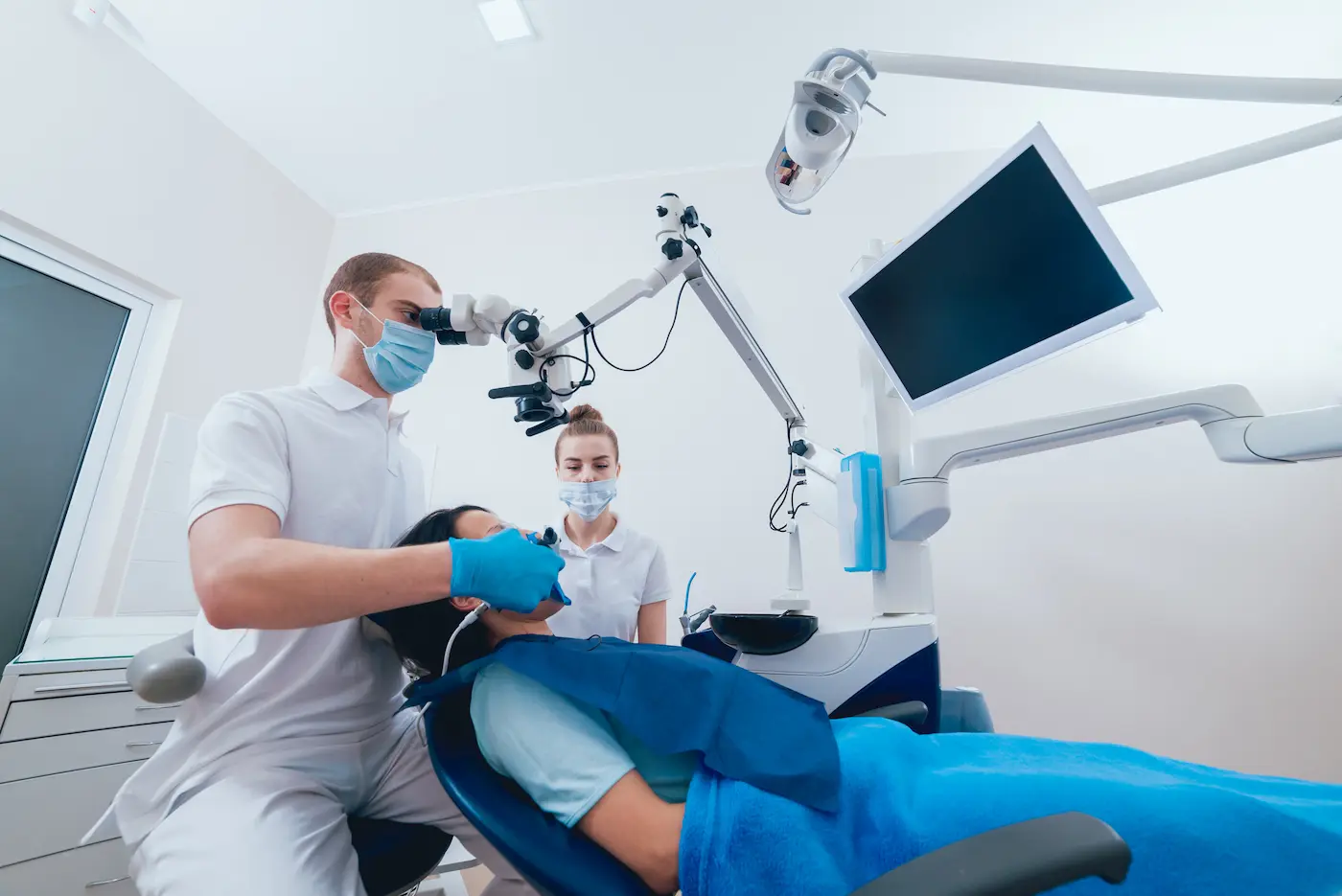
What Is Endodontics?
Endodontics is a specialized area of dentistry that deals with the health of the dental pulp—the soft tissue inside the tooth that contains nerves and blood vessels. When this tissue becomes compromised, it can lead to discomfort, sensitivity, and infection.
The goal of endodontic treatment is to:
- Eliminate infection within the tooth
- Preserve the natural tooth structure
- Restore function and stability
- Prevent the spread of infection to surrounding areas
This approach allows patients to retain their natural teeth rather than moving directly to extraction.
Conditions That Require Endodontic Care
Endodontic treatment is recommended when the inner portion of the tooth is affected by damage or infection.
Common causes include:
- Deep decay that reaches the pulp
- Cracks or fractures that expose internal structures
- Repeated dental procedures on the same tooth
- Trauma that affects the nerve of the tooth
- Infection that develops within the root system
Early evaluation is important, as untreated conditions can progress and impact surrounding bone and tissue.
Signs You May Need Endodontic Treatment
Symptoms can vary depending on the severity of the condition, but certain signs may indicate the need for endodontic care.
These may include:
- Persistent or lingering tooth discomfort
- Sensitivity to hot or cold that does not resolve
- Swelling or tenderness in nearby gums
- Darkening or discoloration of a tooth
- A feeling of pressure when biting or chewing
If you are experiencing any of these symptoms, evaluation is recommended to determine the cause.
A Focus on Tooth Preservation
One of the primary goals of endodontics is to maintain your natural tooth whenever possible. Preserving natural structure supports better long-term function and helps maintain alignment within your bite.
When a tooth can be saved, it often provides:
- Greater stability compared to replacement options
- A more natural feel during chewing
- Preservation of surrounding bone and tissue
If a tooth cannot be preserved, options such as Tooth Extractions and follow-up care through Restorative Dentistry may be discussed.
Advanced Diagnostics and Precision Care
Accurate diagnosis is essential in endodontics. Using tools such as Dental Technology, we are able to evaluate the internal structure of the tooth in detail and determine the most appropriate course of treatment.
This allows for:
- Clear identification of the affected area
- Targeted treatment planning
- More predictable outcomes
Each step is approached with precision to ensure that care is both effective and conservative.
Endodontics as Part of a Larger Treatment Plan
Endodontic care is often one phase of a broader treatment strategy. After the internal health of the tooth is addressed, additional treatment may be needed to restore strength and function.
This may include:
- Root Canals to remove infection and seal the tooth
- Dental Crowns to protect and reinforce the structure
This coordinated approach ensures that the tooth is both healthy internally and stable externally.
Frequently Asked Questions
What does endodontic treatment involve?
Endodontic treatment focuses on addressing issues within the inner portion of the tooth, including infection or inflammation of the pulp.
Is endodontic care only for severe cases?
Not necessarily. Early intervention can prevent more complex issues and help preserve the tooth.
Can an infected tooth heal on its own?
No. Once the pulp is infected, professional treatment is required to resolve the issue.
Will I lose my tooth if I need endodontic treatment?
The goal of endodontics is to save the natural tooth whenever possible.
What happens after endodontic treatment?
Additional restorative care is often recommended to protect the tooth and restore full function.


Request Your Endodontic Evaluation
If you are experiencing symptoms that may involve the inner structure of a tooth, early evaluation can help preserve your natural tooth and prevent further complications.