
Tooth Extractions in Chester, NJ
Gentle, Careful Removal When a Tooth Cannot Be Preserved
At Chester Smiles Dentistry, tooth extractions are performed with a focus on comfort, precision, and preserving your overall oral health. While every effort is made to save natural teeth whenever possible, there are situations where removal becomes the most appropriate step to prevent further complications.
Guided by a thoughtful and measured approach, Dr. Michael Masino, DMD provides tooth extractions for patients across Chester, Mendham, Long Valley, Randolph, Hackettstown, and surrounding communities, ensuring the process is as smooth and well-managed as possible.
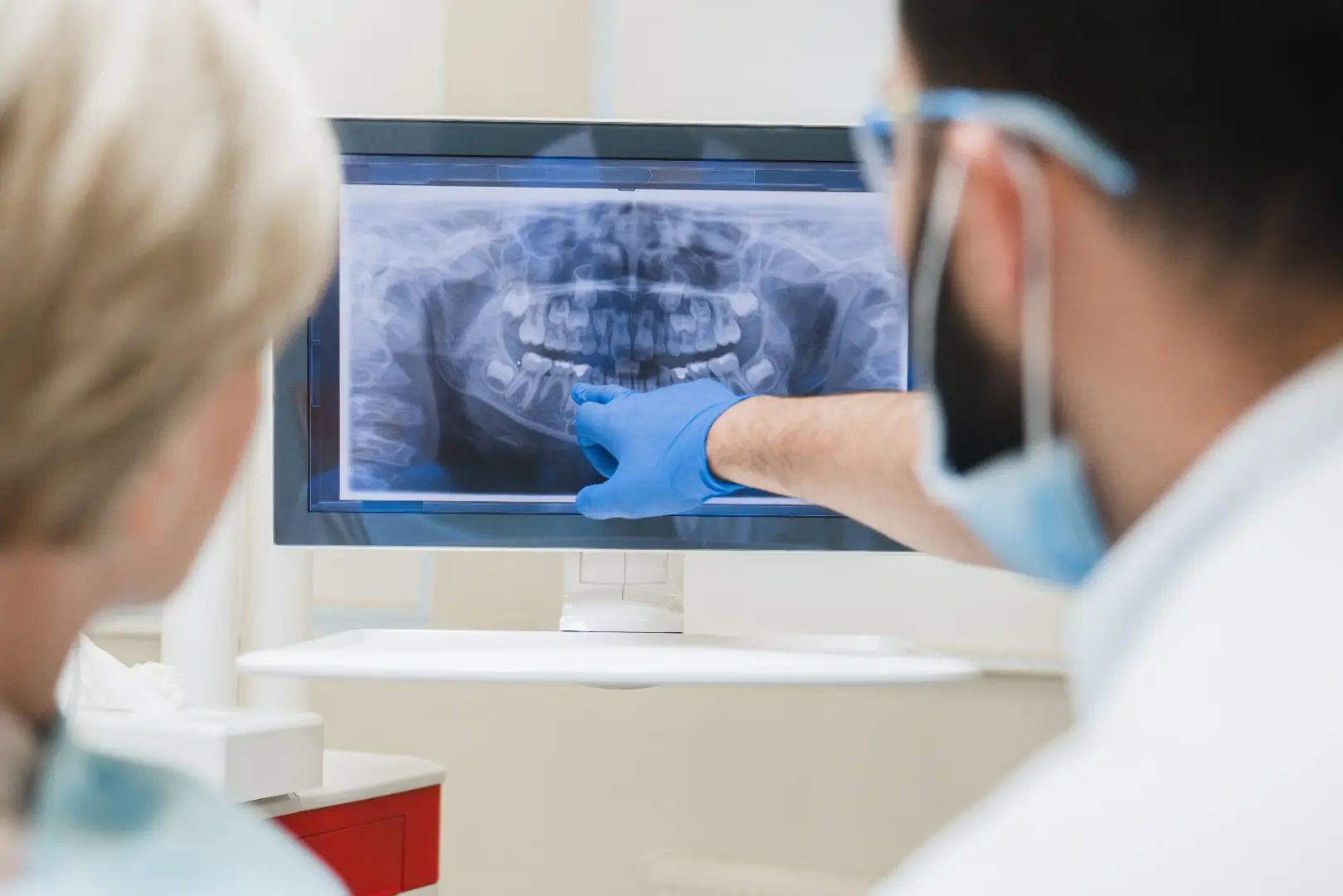
When a Tooth Extraction Is Necessary
Tooth extractions are recommended when a tooth is no longer able to function properly or when keeping it would compromise surrounding teeth or overall oral health.
Common reasons for extraction include:
- Severe decay that cannot be restored
- Advanced infection or damage to the tooth structure
- Fractures that extend below the gum line
- Overcrowding or preparation for orthodontic treatment
- Teeth that are contributing to pain or inflammation
Before recommending an extraction, we evaluate all possible alternatives and explain your options clearly.
What to Expect During the Procedure
Tooth extractions are performed with careful planning and attention to patient comfort. The area is numbed thoroughly, and the tooth is removed using controlled, precise techniques.
During your visit, you can expect:
- A detailed evaluation and explanation of the procedure
- Local anesthesia to ensure comfort
- Gentle removal of the affected tooth
- Post-procedure instructions to support healing
Our goal is to make the experience straightforward and manageable, even for patients who may feel anxious about treatment.
Aftercare and Healing
Healing after a tooth extraction is an important part of the process. We provide clear guidance to help you recover comfortably and reduce the risk of complications.
Post-extraction care typically includes:
- Allowing the area to clot and heal naturally
- Avoiding certain foods or activities during initial healing
- Keeping the area clean while being gentle
- Monitoring for any unusual symptoms
Most patients heal predictably with proper care and follow-up.
Replacing a Missing Tooth
After a tooth extraction, it is important to consider how the space will be restored. Replacing a missing tooth helps maintain alignment, function, and long-term stability.
Depending on your needs, options may include:
- Dental Bridges to fill the space with a fixed solution
- Dental Implants for a stable, long-term replacement (restorative care provided)
- Full & Partial Dentures for multiple missing teeth
We guide you through these options so you can make a decision that fits your goals and long-term oral health.
A Thoughtful Approach to Treatment Planning
Tooth extractions are never taken lightly. Our approach focuses on understanding the full picture—why the issue occurred and how to prevent future concerns.
When appropriate, care may be coordinated with Restorative Dentistry to rebuild function, or with General Dentistry to maintain long-term health.
Patients from Chester, Mendham, Long Valley, Randolph, and Hackettstown value this approach because it emphasizes clarity, comfort, and long-term outcomes.
Frequently Asked Questions
Is a tooth extraction painful?
The procedure itself is typically not painful due to local anesthesia. Some discomfort after the procedure is normal and manageable.
How long does it take to recover from a tooth extraction?
Initial healing usually takes a few days, with full healing occurring over the following weeks.
Will I need to replace the extracted tooth?
In many cases, replacement is recommended to maintain proper function and alignment.
What can I eat after an extraction?
Soft foods are recommended initially, gradually returning to a normal diet as healing progresses.
When is a tooth extraction the only option?
Extraction is recommended when a tooth cannot be restored or when keeping it would negatively affect your overall oral health.


Request Your Tooth Extraction Appointment
If you are experiencing pain or have been told you may need a tooth removed, we provide careful, well-explained treatment focused on your comfort and long-term health.